Dynamode Usb Wifi Adapter Driver
My experiences are identical to those you describe having had; Ubuntu recognizes & installs anything I plugged in, with the exception of my usb wireless device! Apparently no way to install it, help facility on my machine no use at all – looked online for help – luckily I could get online as long as I was connected direct via ethernet cable.
After struggling with various very complicated ( for me anyway ) help pages I came across yours. I followed your instructions and everything now works! No trouble entering my WPA passphrase I was very relieved to discover, after reading some of the other feedback. Thank you again – my only problem now is: What am I going to do every evening when I get back from work, now that I won’t have to do battle with Ubuntu not wanting to install my Device! Andy 🙂 New to Ubuntu as of a week ago. Hi, Great guide!
Just so you know, to log in as root, you’ll need to set a root password. You can do this by going to the user mangement (or similar) program, located in your system tools menu. You’ll need to go into administrator mode which requires your password and also tick the ‘show system accounts’ box. You can then find the root account and set a passoword.
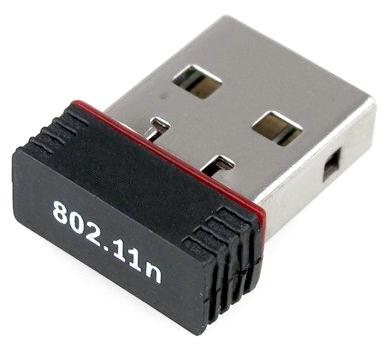
Shop from the world's largest selection and best deals for Dynamode USB Bluetooth Adapter and Dongle. Dynamode branded 300mbs wireless nano usb adapter.
Artisteer Crack License Key. You may find it easier to simply find your own user account and add it to the root group, which will give you the same priviliges as the root account. A word of advise though, it isn’t advised to use the root account unless absolutly necessary as being logged in as root opens up numerous vulnerablitlies. Because of the access rights that the root account has, anyone who can gain access to your computer via an external connection (i.e. The internet) would be able to do some serious damage to your machine. How to get root access on Ubuntu.
As mentioned above by Alix, being permanently logged in as ‘root’ or another admin user is potentially harmfull to your pc. Ubuntu uses a system call ‘sudo’ (which is used by Debian and most of it’s derivatives, of which ubuntu is one of many). If you really need to run a command as root, most often when trying to install software via the command line, you would simply place the word ‘sudo’ (without the quotes) before the required command. The terminal will then ask for your password. This gives you access to the power of being an administrator on a temporary basis. As an example. I personally have multiple users with access to my pc, normally when I log in under my ‘normal’ user name (davem) I cannot view or access the information in the other user’s home directory.
However if I really need to with ubuntu (or other debian based systems) I can use the default file browser to view all areas of the system, to do this I would have to open a terminal (which requires a conscious effort and hence stops me doing it very often 😉 and type in the following. Gksudo nautilus the terminal will ask for my usual password (as my users is part of the admin users group), and I will be given a file manager with full access to open, edit, remove, etc any part of the system. Danger yes, useful often. Radiohead Rarities. You may now ask why I was talking about ‘sudo’ and in the above command I used ‘gksudo’ well the gksudo command is used when you need to open a ‘graphical’ system such as the file manager or perhaps a web browser (so as to find, download and install the anoyingly missing plugging) – bear in mind that when you do this you add these things in the root of the system, so if you aren’t sure they are bug free and contain no worms, trojans or other nasties my advice is don’t do it! When you access synaptic (as al has done in his instructions) you will be asked to for your password, this is essentially the same process that is going on behind the scenes specific to installing new software. I hope that snippit of information helps someone out, if you want to read more about the security idea behind sudo the following page on the ubuntu wiki should explain in more detail why it is used.
I followed all the above instructions and I have now the wireless option within the network settings so I can configure the WLAN. After enabling the roaming mode in the wireless connection properties I can select my network name, password type (WPA2 personal) and of course provide the password. After this I get “Changing inteface configuration” waiting dialog once done the Wireless icon is not gray out but still I cannot connect to internet. Is anything else that I need to do? For example setting the DNS?
Thanks for the reply. Unfortunately WL-GI-700S is quite different to WL-XI-700XA. WL-XI-700XA is a really old device [11Mbps Wireless LAN USB Dongle] which I think should work with Vista's integrated wireless driver but WL-GI-700S is not so old (bought in 2006), still available and recommended on the manufacturer's website and it is quite different piece of hardware [High Speed 54Mbps Wireless USB Adapter]. I rather think I may try to use other manufacturers' device drivers for the devices based on the same chipset, Vista recognises it as MARVELL Wireless Device V.1.0.1.2 Any suggestions?
Could anybody tell me about devices recognised same as mine and what drivers do you use? Regards Mariusz //===== edit ===== Problem solved. I used Win XP drivers from original manufacturer's CD and network started to work.
After first reboot Vista found available (optional) update for this driver and updated it. Everything works perfect. Thanks Message Edited by exbros on 07:58 AM.